

Finding a diagnosis for Cerebral Palsy (CP) is one of the most taxing experiences a parent can go through. In India, the healthcare landscape is vast and often confusing. When you search for the “Best CP child doctor near me,” you aren’t just looking for a clinic; you are looking for a partner who will walk with your child for the next 15 to 20 years.
This guide provides an exhaustive look at what defines a world-class CP specialist, how to evaluate them, and the technical aspects of CP management that every parent should know.
Understanding the Landscape: Why Choosing the Best CP Child Doctor Near Me Matters
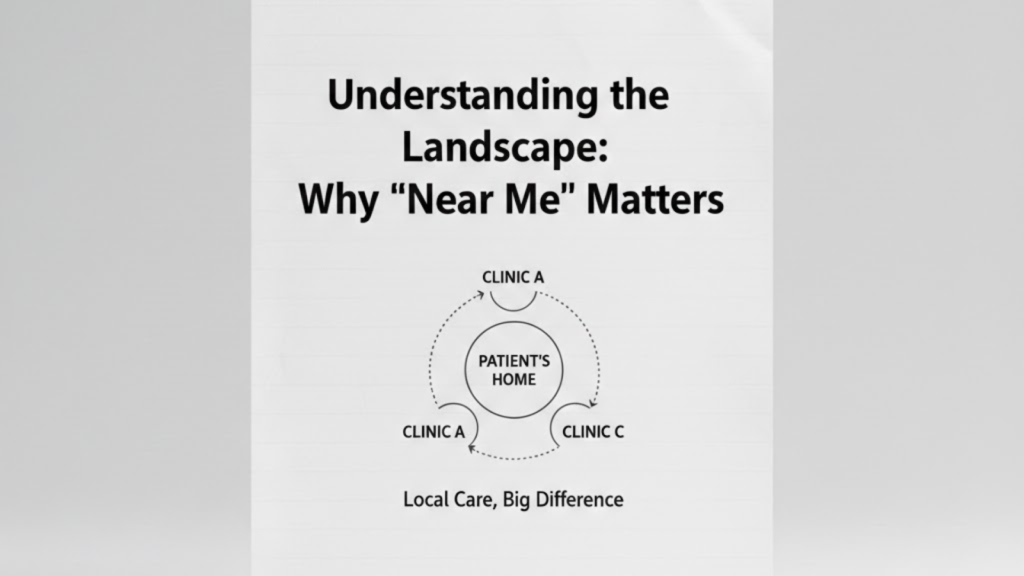
Cerebral Palsy is a permanent, non-progressive neurological condition. Because it is not a “one-time fix,” proximity is your greatest ally.
- Consistency is Key: Therapy for CP usually happens 3–5 times a week.
- Emergency Access: Children with CP may occasionally face seizures or respiratory issues.
- Long-term Monitoring: Bone growth and muscle spasticity change as a child grows, requiring frequent adjustments to braces and medications.
7 Core Qualities of the Best CP Child Doctor Near Me
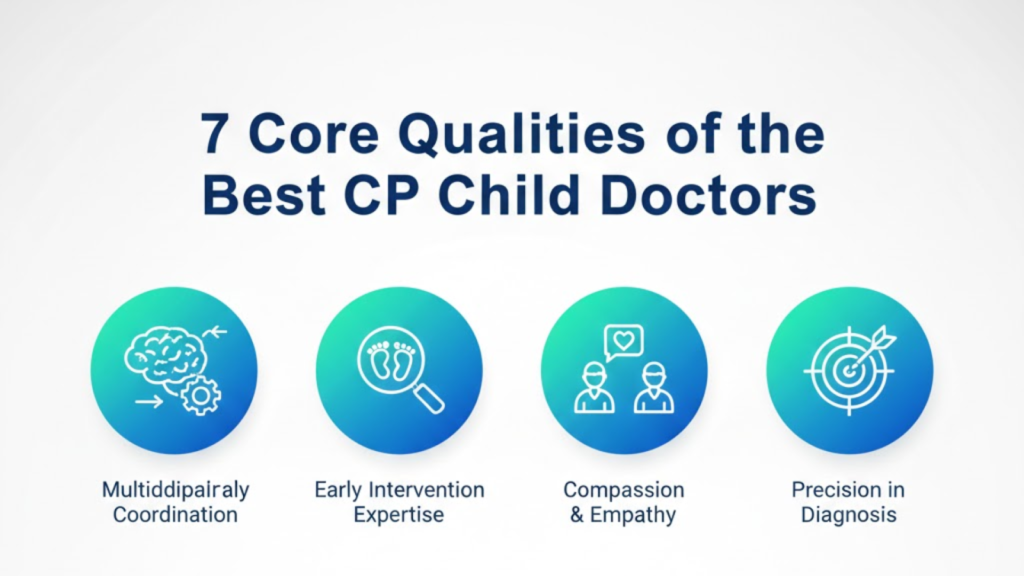
1. The “Team Captain” Mentality (Multidisciplinary Coordination)
A child with CP doesn’t just need a doctor; they need a rehabilitation ecosystem. The best doctor doesn’t work in a vacuum.
- Role of the Pediatric Neurologist: They handle the brain and nerve signals, managing medications for seizures or muscle stiffness.
- The Orthopedic Link: They monitor bone alignment and perform surgeries to prevent deformities.
- Therapy Integration: A top doctor will have a direct line of communication with your Physiotherapist and Occupational Therapist.
- Why it’s a “Top Quality”: If your doctor doesn’t talk to your therapist, your child receives fragmented care. The best doctors host “joint clinics” where all specialists see the child together.
2. Expertise in “The Golden Window” (Early Intervention)
The human brain is most “plastic” (capable of rewiring) during the first 1,000 days of life.
- The Best Doctor: Identifies delays in milestones (like rolling over at 4 months or sitting at 7 months) immediately.
- The Red Flags: They look for “fisting” of hands, excessive stiffness (hypertonia), or extreme floppiness (hypotonia).
- Action over Observation: They don’t say “Wait until the child is 3.” They start therapy the moment a delay is suspected.
3. Precision in Clinical Classification
Cerebral Palsy is an umbrella term. The “best” doctor provides a specific diagnosis based on the type of movement disorder and the body parts affected.
Table 1: Understanding CP Classifications
| Type of CP | Primary Characteristic | Common Treatment Approach |
| Spastic CP | High muscle stiffness/tightness | Botox, Stretching, SDR Surgery |
| Dyskinetic CP | Involuntary, jerky movements | Medication for movement control |
| Ataxic CP | Poor balance and coordination | Balance training, intensive PT |
| Mixed CP | Combination of symptoms | Custom multi-modal therapy |
4. Mastery of Modern Interventions
Medical science in 2026 has advanced significantly. Your doctor should be well-versed in:
- Spasticity Management: Using Botox (Botulinum Toxin) or Baclofen Pumps to relax muscles.
- Gait Analysis: Using computer sensors to study how a child walks to plan the perfect surgery.
- SDR (Selective Dorsal Rhizotomy): A specialized neurosurgery that can permanently reduce spasticity in the legs.
5. Compassion and Cultural Empathy
In India, a CP diagnosis can be socially isolating. A doctor must be a counselor as much as a clinician.
- No Guilt Policy: They reassure parents that CP is not caused by “bad karma” or minor parental mistakes during pregnancy.
- Language Accessibility: They explain complex neurology in simple Hindi or regional languages.
- Financial Sensitivity: They prioritize essential treatments over expensive, experimental ones that lack scientific backing.
6. Use of the GMFCS Global Standard
The Gross Motor Function Classification System (GMFCS) is the gold standard for defining a child’s functional level.
- Level I: Walks without limitations.
- Level II: Walks with limitations (may need a railing on stairs).
- Level III: Walks using a hand-held mobility device (walker/crutches).
- Level IV: Self-mobility with limitations; may use powered mobility.
- Level V: Transported in a manual wheelchair.
The Best Doctor uses these levels to set realistic expectations so parents aren’t chasing an impossible “cure” but are instead achieving “maximum independence.”
7. Holistic Focus on “Quality of Life”
The best CP doctor cares about more than just walking. They focus on:
- Communication: Can the child use a speech tablet?
- Self-Care: Can the child brush their teeth or use the washroom independently?
- Social Inclusion: Can the child attend a mainstream or specialized school?
Comparison: Hospital vs. Private Clinic for CP
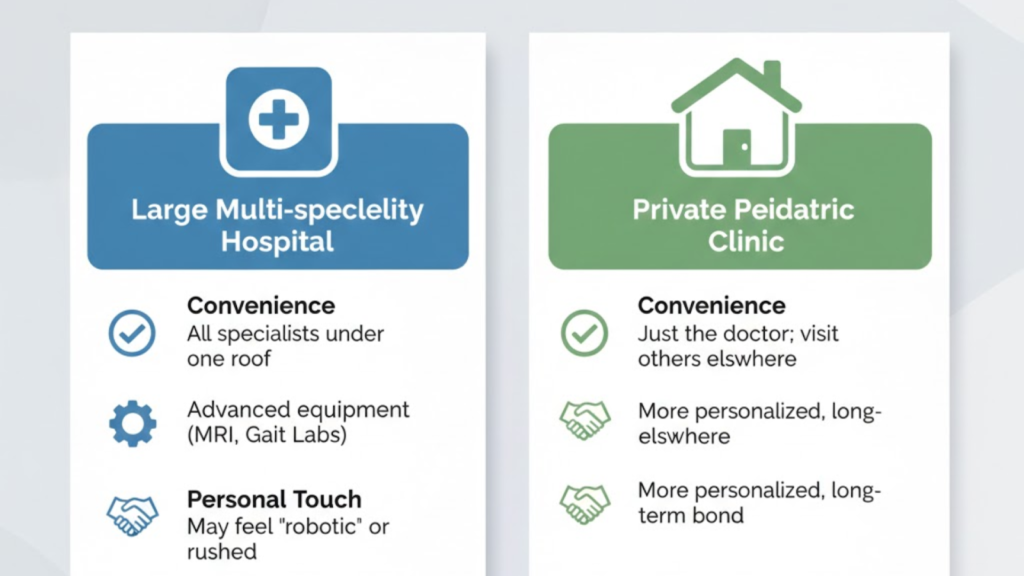
When searching for the best CP child doctor near me, you will face this choice:
| Feature | Large Multi-specialty Hospital | Private Pediatric Clinic |
| Convenience | All specialists under one roof | Usually just the doctor; visit others elsewhere |
| Technology | Access to MRI, Gait Labs, Botox | Limited to consultation |
| Personal Touch | May feel “robotic” or rushed | More personalized, long-term bond |
| Wait Times | Long queues | Usually scheduled appointments |
Frequently Asked Questions (FAQ) for SEO & Trust
Q1: Is Cerebral Palsy curable?
No. CP is a permanent brain injury. However, it is highly manageable. With the right doctor and therapy, a child’s function can improve drastically over time.
Q2: How often should I visit a CP specialist?
Initially, once every 3 months. Once the child is stable and a therapy routine is set, a follow-up every 6 to 12 months is standard to monitor growth and bone alignment.
Q3: Why is my doctor recommending Botox for my child?
Botox is used to temporarily “freeze” a muscle that is too tight. This allows the physiotherapist to stretch the muscle and strengthen the opposing muscle, improving the child’s walking pattern.
Q4: Can a child with CP go to a normal school in India?
Yes. Many children with CP (GMFCS Level I and II) attend mainstream schools. The “Right to Education Act” in India supports the inclusion of children with special needs.
Q5: What is the most important therapy for CP?
While every child is different, Physiotherapy is generally the cornerstone of CP management to maintain range of motion and build strength.
Summary Checklist: Before You Book an Appointment
- [ ] Does the doctor have a specialization in Pediatric Neurology?
- [ ] Is the clinic/hospital within a 1-hour drive from your home?
- [ ] Does the doctor listen to your concerns without rushing?
- [ ] Do they provide a written Treatment Plan?
- [ ] Are they honest about the expected outcomes?
Final Thoughts for Parents
Your search for the “Best CP child doctor near me” is the start of a brave journey. Remember, the goal is not to “fix” your child, because your child is not broken. The goal is to provide them with the tools, surgeries, and therapies they need to navigate the world with dignity and independence.
Trust your instincts. If a doctor makes you feel heard and your child feels comfortable, you have found the right person.
